


Mini-Cookbook Review: Good Food, Good Mood
Thoughtfully curated recipes from nutritionists, Tamara Green and Sarah Grossman

Well, it’s officially here. My first mini-cookbook review. I’ve teased a lot of these — and have thousands of drafted sentences floating around in my head — but for some reason, it’s been hard to sit down and put pen to paper. I think part of this is, you know, the three young kids. An even bigger part of this internal resistance, however, is a concern that a mini-cookbook review, by its very nature, will be received as less than deserving of my — and your — attention.
So, I want to launch the “mini-cookbook review” with this particular cookbook because I loved it.
So, what is in store?
My mini-cookbook reviews aim to answer one very simple question: should you — yes, you — invest in said cookbook?
These reviews are less of a reference guide for the cookbook and more of a breakdown of what the cookbook offers. The mini-cookbook reviews aren’t veiled attempts at soul-searching nor reflections on life; they aren’t going to guide you through the deep end as you prepare a meal for your in-laws. Nor will they inspire you with romantic ideas of at-home date nights. They are meant to be comprehensive and direct — yes, very direct — assessments of the merits of the cookbook itself.
As you’ll see below, I am going to pitch my review via a series of specific questions aimed at eliminating potential buyers.
That sounds intense. How can I say it a different way?
I don’t want to waste your time, and I don’t want you to waste your time. If I ask you “Do you like good food?” and you say “Yes” — because why would you not say “Yes” — that really gets us nowhere. I could really point you in the direction of 100 cookbooks, many of which would not suit you and your gustatory needs.
But if I ask you “Do you have extra time in your week to make homemade snacks?” or “Do you have extra pantry space to store specialty flours?”, your answer will dictate the level of interest you should consider having in the cookbook. That, hopefully, gets us somewhere.
The Format
I’m still thinking this part through — and I welcome suggestions — but this is what I have so far. After a very quick and snappy introduction to the cookbook and its authors, I am going to present a series of questions.
The first 5 questions are foundational questions, in the sense that they really lay out the structure of the cookbook. My goal — and again, I am still thinking this through — is that if you answer “No” to any of the first 5 questions, this cookbook isn’t for you. Or, it isn’t for you right now. If you answer “Yes” to all 5 questions, then this cookbook should be on your radar, at the very least.
The last few questions get into specifics. If you answer “Yes” to all of them, then I would highly consider adding this cookbook to your collection. If you say “Yes” to some and “No” to others, you might consider taking a glance at it the next time you wander into your local bookstore.
Let Me Introduce You
Good Food, Good Mood is a health-minded cookbook that aims to equip its readers with an understanding of the effects of different foods on the body — including mental and emotional health — while also providing straightforward recipes for breakfast, snacks, main courses, sides, desserts, and drinks.
It is the second cookbook by nutritionists Tamara Green and Sarah Grossman. For the last 14 years, they have been involved in the world of nutrition, with a specific focus on how food affects both the mind and body. Specifically, this cookbook focuses on recipes that are:
gut-health friendly
blood-sugar balancers
protein-powered
The introduction provides a comprehensive breakdown of “Foods That Support Mood”, going into details regarding the importance of things such as fiber, plant variety, fermented foods, micronutrients, magnesium, omega-3s and 6s, etc. From there they address the importance of "Balanc[ing] Blood Sugar” and then it’s off to the kitchen to cook.
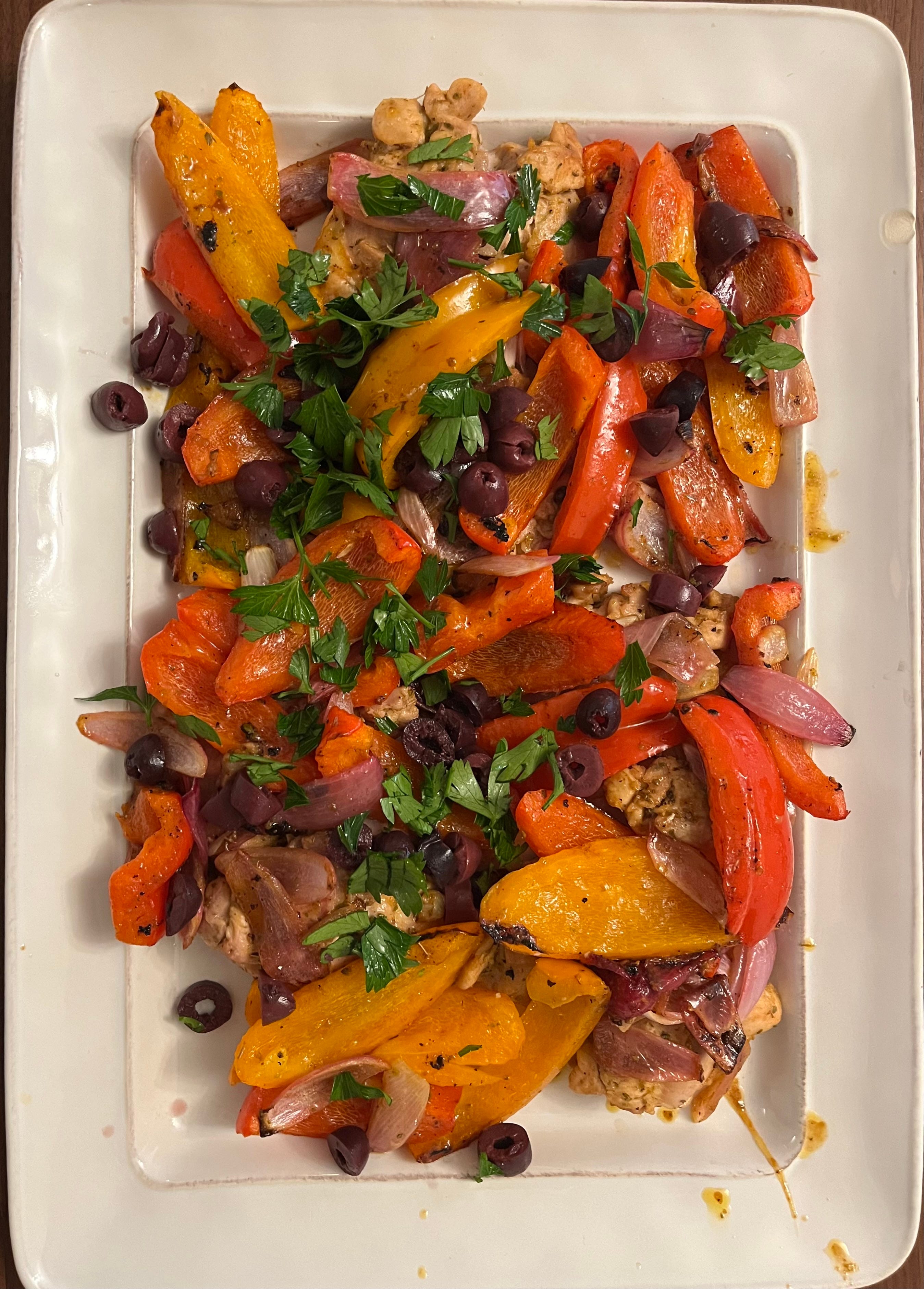
More often than not the recipes are simple, working from a short ingredients list. Although their focus is nutrition, I found that they had a solid awareness of the fundamentals of cooking; for example, they tell you not to overcrowd the sheet pan when making Sheet-Pan Lemon Chicken with Blistered Peppers. This is something I talked about recently.
Although I also really like to think of food as a vehicle for a healthy life, I often find that food bloggers/recipe developers who label themselves as “healthy” do not have a solid sense for the science of cooking. Aside from salting my meat differently, I very rarely altered or changed the directions provided by Sarah and Tamara because they worked, and worked well.
Ok. For those of you who love a personality test. This is your moment. Make me proud. (As a reminder: if you answer “no” to any of the first five questions, I don’t think this cookbook is ideal for you right now).
Nine Questions
Do you often wish you had a greater variety of healthy breakfast and snack options?
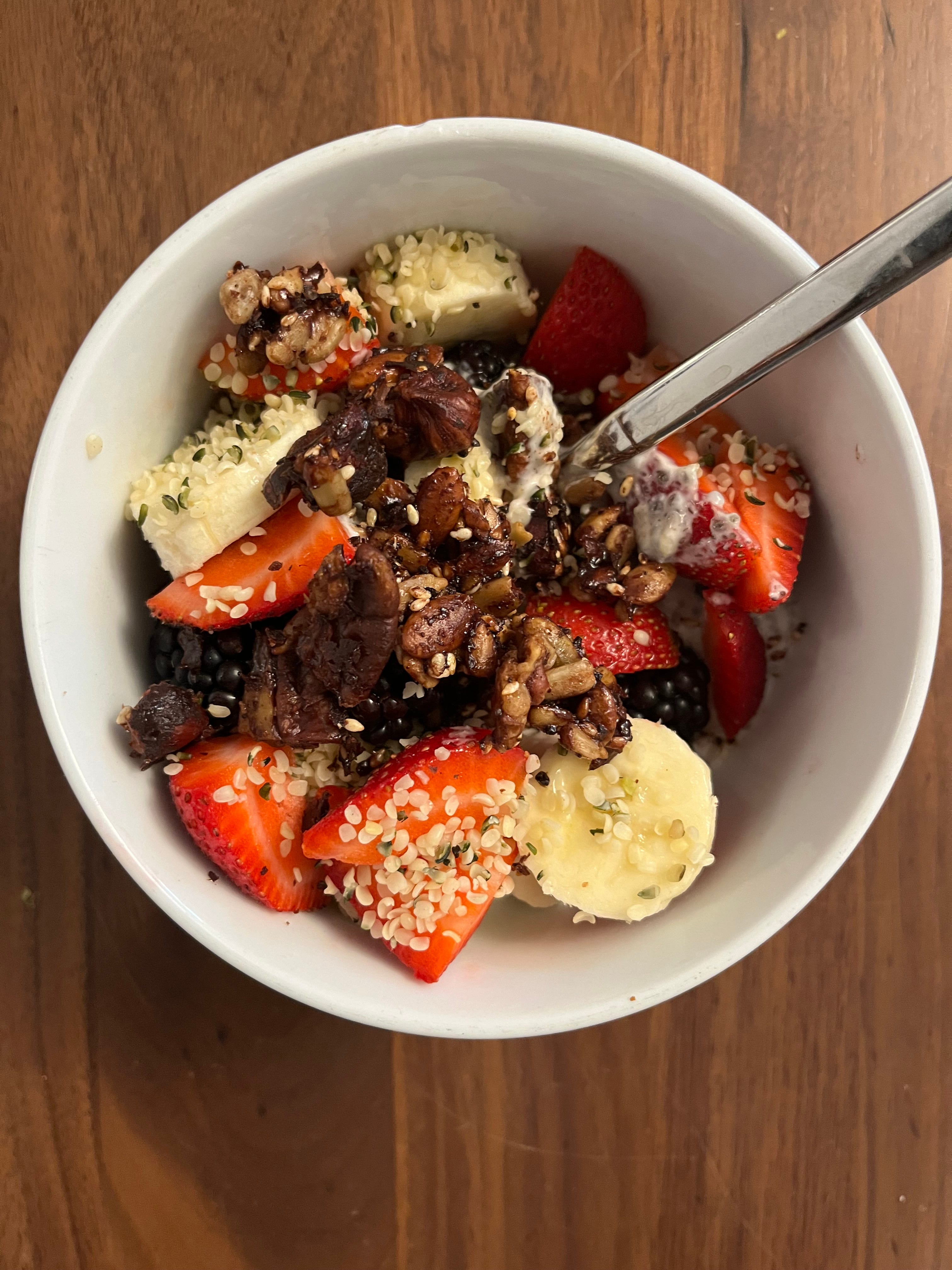
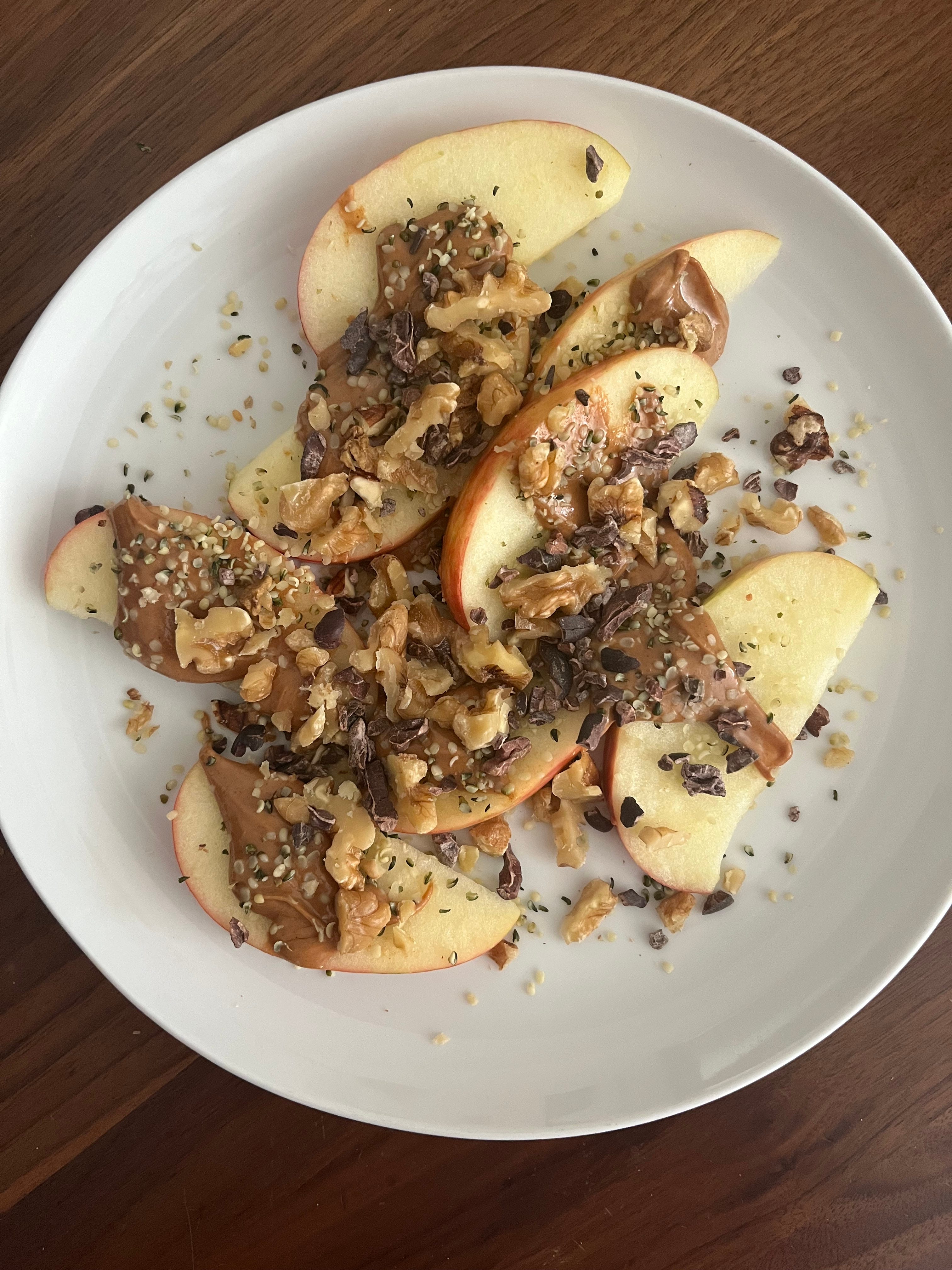
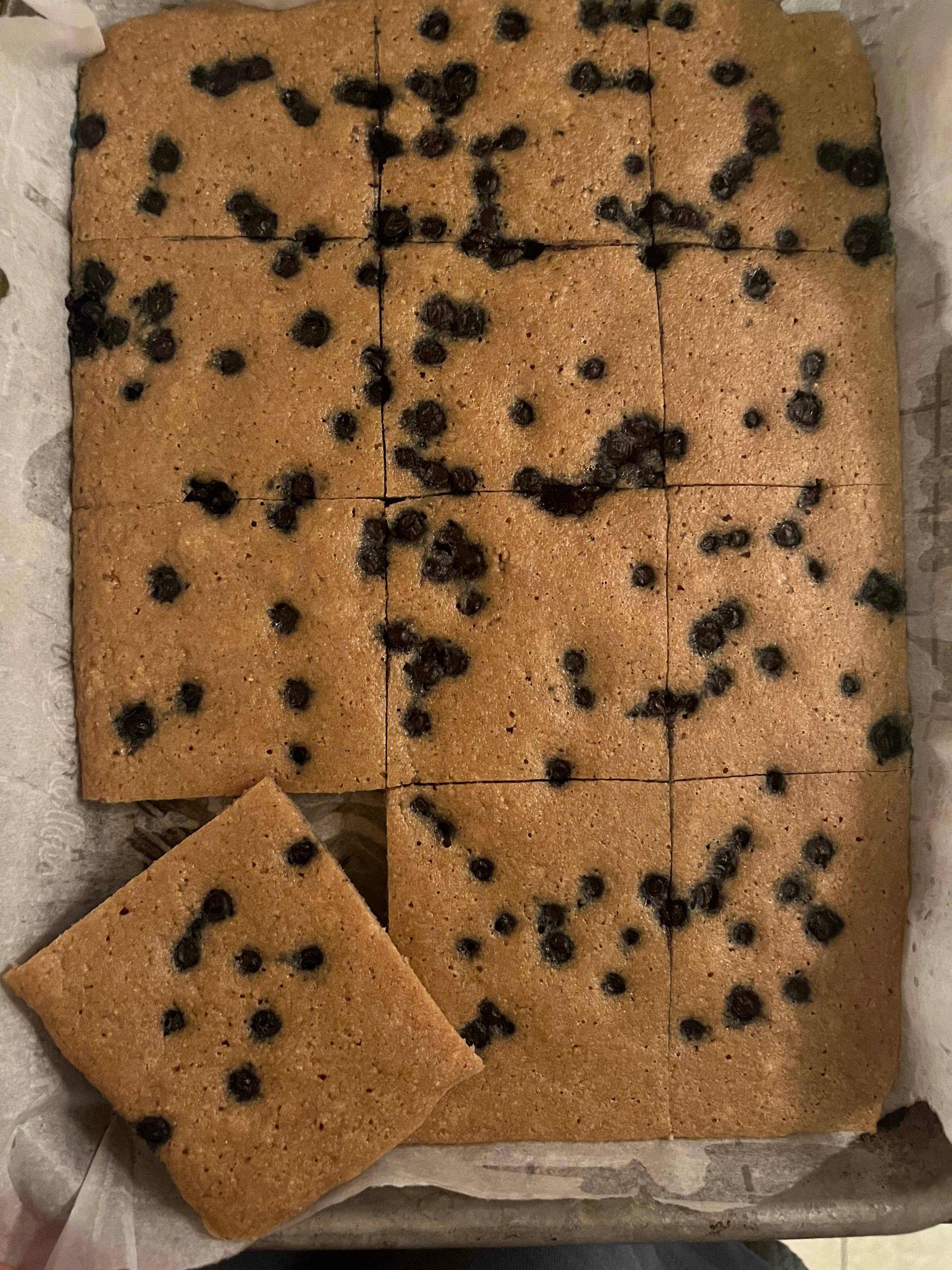
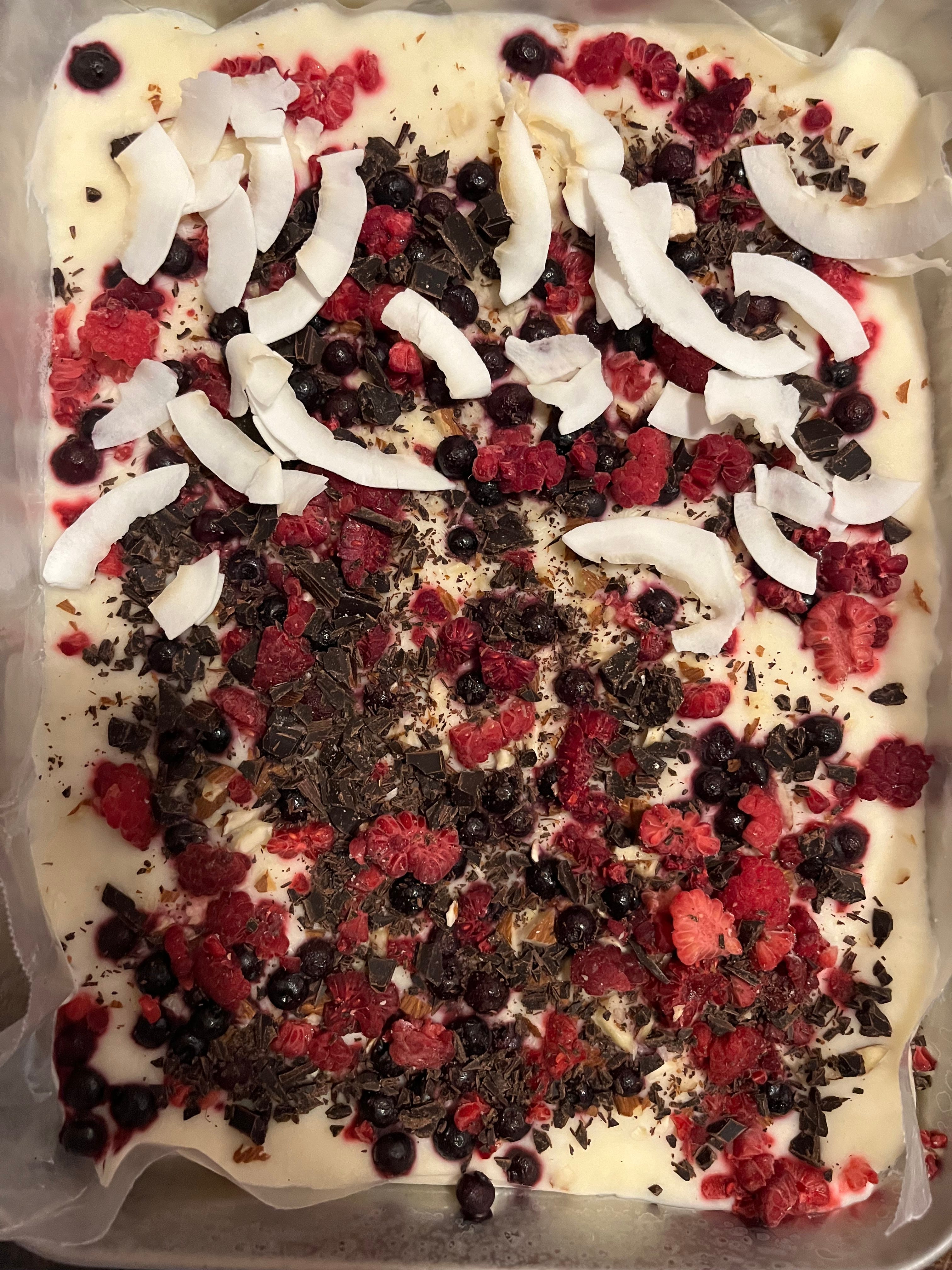
Although I made a few of the recipes from the “main course” section, I think the breakfast and snack sections of this cookbook are what really set it apart. I’ve returned to recipes like Sheet-Pan Pancakes, Chia Kefir Pudding with Maple Butter Mocha Granola, Miso Maple Sticky Nuts, Frozen Yogurt Berry Bark, and Apple Slices with the Works, time and time again.
Do you have extra time in your day to make these meals?
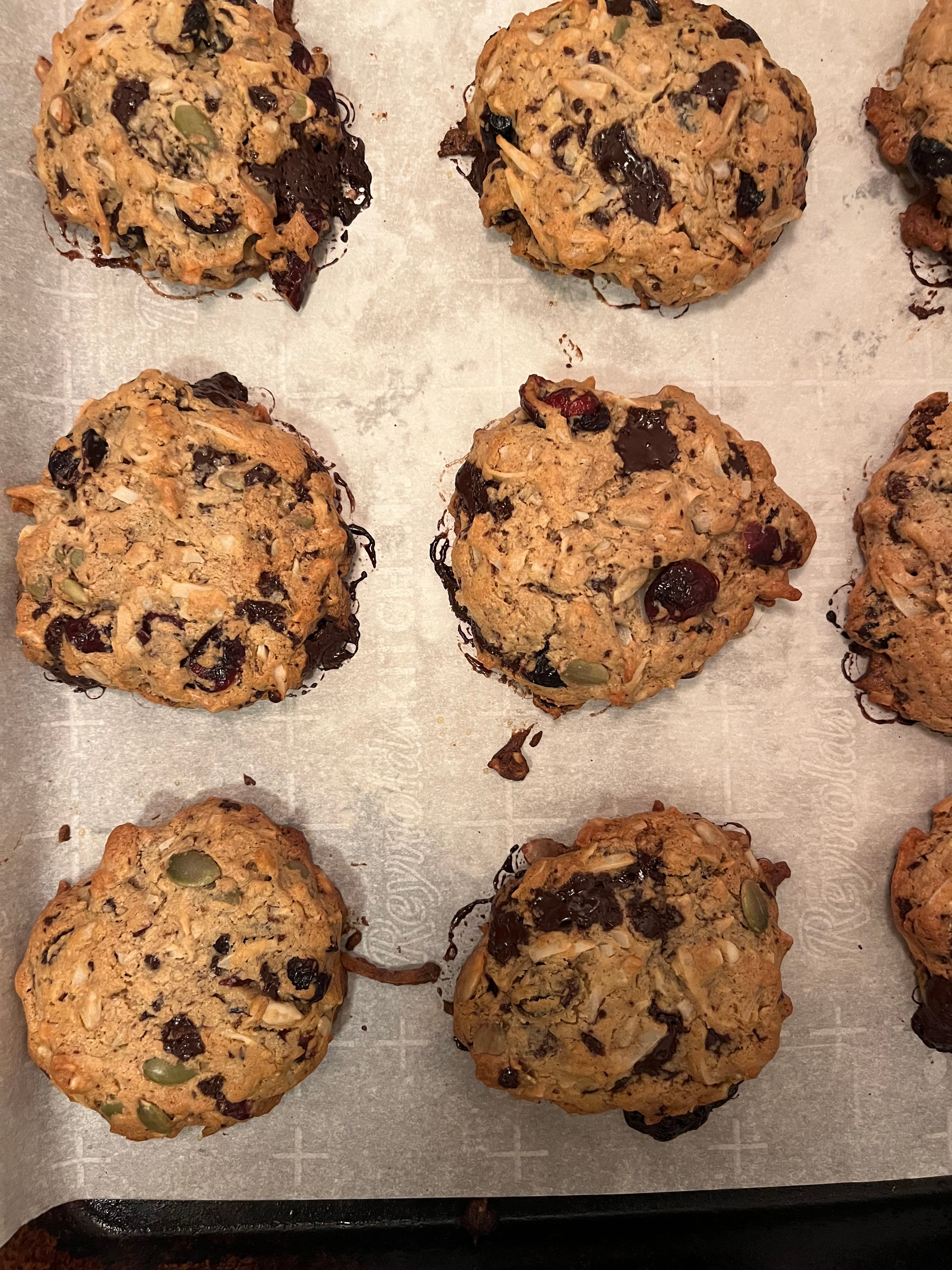
It’s frustrating to set yourself up for something only to realize you don’t have the time in your schedule to follow through on the task. I’m a firm believer in setting yourself up for success, but that might mean coming back to this cookbook in a year or two if you don’t feel like you have the extra bandwidth to take on “homemade snacks.” If you do feel like you have some time — maybe not a ton, but some — I would suggest selecting two to three breakfast/snack options and making them on repeat. Once you get used to making the GORP (good old raisin and peanut) Cookies, it becomes a natural part of your routine. Additionally, a big perk of this cookbook is that the ingredient lists are short and the directions are easy and straightforward.
Are you willing to buy and/or store specialty ingredients?
Not every recipe requires a special type of flour (e.g. almond, spelt, buckwheat) but, in general, these recipes call for certain ingredients you may not have assigned pantry/refrigerator space for: chia seeds, hemp seeds, specialty flours, coconut flakes, miso. The good news, however, is that most of these specialty ingredients are called for in multiple recipes, so if you do buy them, they will be put to good use.
Do you like nuts?
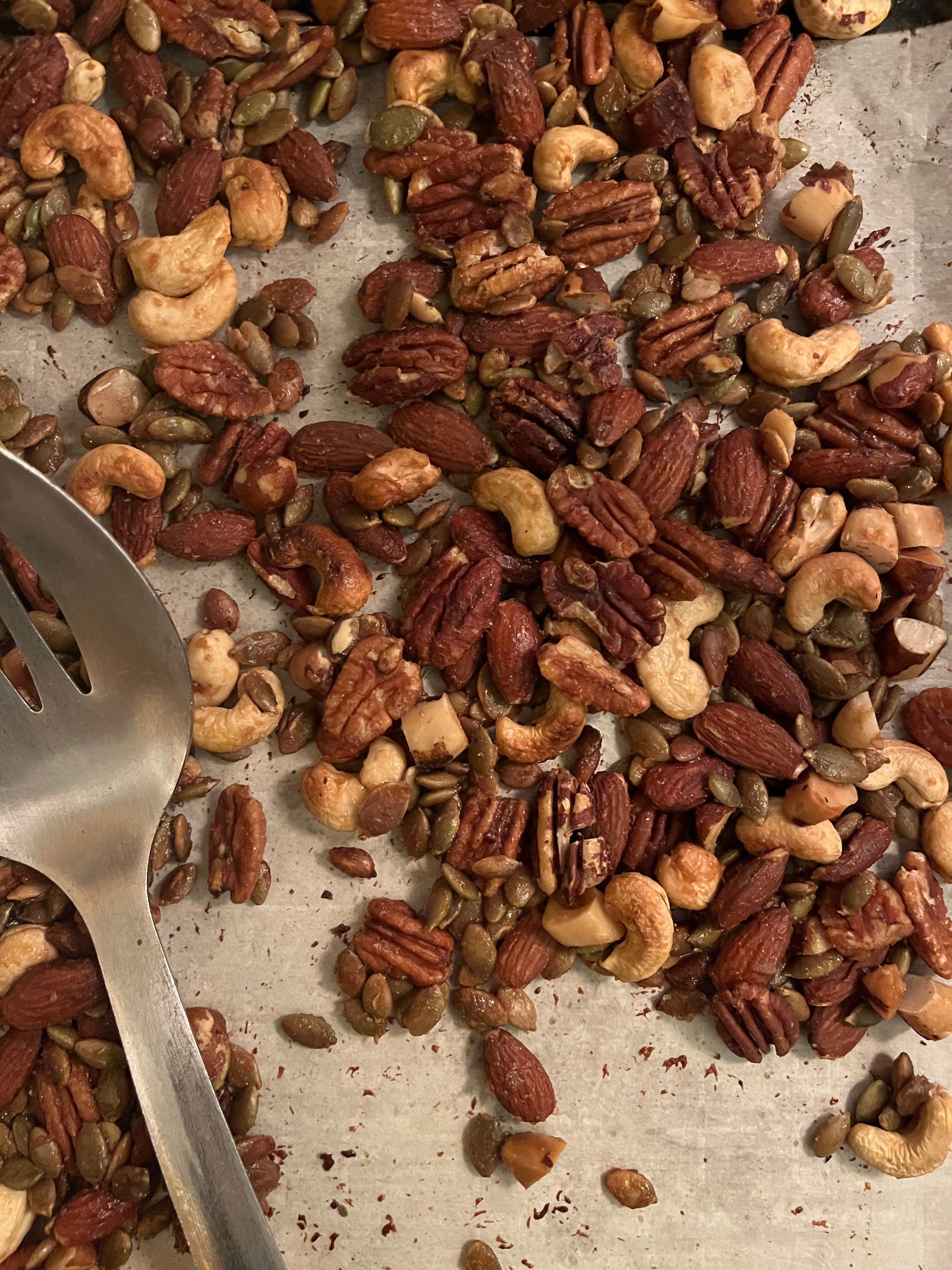
I have a sister-in-law who is extremely allergic to peanuts and tree nuts, so even though I grew up in a family where everything was cross-contaminated with peanut butter, I have become very aware of the limitations that certain people have with nuts. On the flip side, if you do like nuts, may I point you in the direction of the Miso Maple Sticky Nuts?
Do you have a sweet tooth?
Speaking of the Miso Maple Sticky Nuts…this cookbook is a great choice for anyone who loves something sweet but is trying to cut back on their daily sugar intake. I’m pretty strict — bordering on obsessive — about my family’s sugar intake, but that doesn’t mean we never have any sugar ever. I don’t want my kids growing up without any sugar only to overindulge when they become teenagers. It’s a fine line to walk. I love the sweeter breakfast and snack options in this book because they have a hint of sweetness without overdoing it. Additionally, Sarah and Tamara mix in healthy fats, protein, and fiber — as in Sheet-Pan Pancakes, GORP (good old raisin and peanuts) Cookies, and Frozen Yogurt Berry Bark — to minimize potential blood sugar spikes.
Still with me? Let’s go over a few specifics. From here on, you are on your own. You decide whether or not a “yes” or “no” answer means this cookbook deserves your full attention.
Would you like to learn more about how food affects your physical, mental, and emotional health?
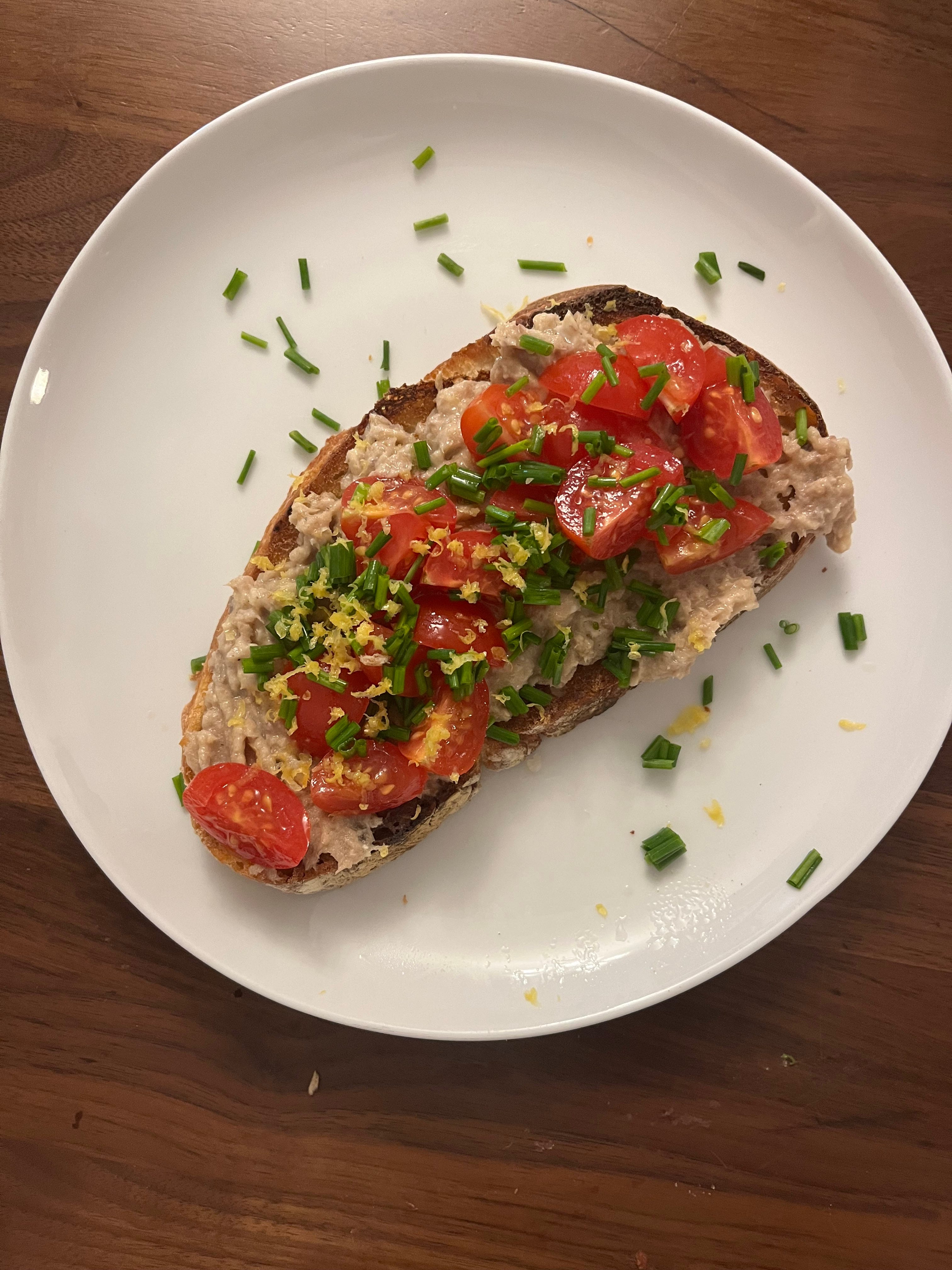
You could easily make these recipes and ignore the “education moment” they provide. That’s one of the things I really value about this cookbook; it doesn’t prioritize health at the expense of good food. But, if you’re into nutrition and health — or want to learn more about it without reading a textbook — Sarah and Tamara offer brief insights into the benefits of different nutrients. For example, in the short paragraph introducing Sardine Pate with Sourdough Toasties, they mention the importance that Omega-3s play in helping with anxiety and depression (they also provide more information on this in the intro pages).
Do you want to focus on gut health?
I do my best to stay up-to-date on developments in the food and health world, so I know there has been a lot of talk in the last few years about gut health. Even though I do my best to be mindful of gut health, I was never entirely sure how to add more fermented foods into my diet to best serve my gut. Many recipes in this book do just that. Moreover, in the top left-hand corner, a recipe will be tagged as “Prebiotic” and/or “Fermented” if it has special gut-friendly nutrients.
Do you want to focus on balancing your blood sugar?
Similar to question #7, there’s been a lot of attention on blood sugar and glucose spikes in the world of health and wellness. In fact, that is how I found out about this cookbook. I subscribe to Dr. Casey Means' newsletter and she mentioned back in early March that it was going to be released soon. Similar to the “prebiotic” and “fermented” tags, when a recipe will keep your blood sugar stable as can be, you will see a “blood-sugar balancer” tag in the top left corner.
Do you make and/or have access to good sourdough bread?
Not many — but a few — recipes call specifically for sourdough bread. Sourdough bread that is made the traditional way (i.e. fermented for hours without dry active yeast) slows down the rate at which your body processes the carbohydrates. This also helps to minimize blood sugar spikes. If this cookbook sounds enticing but you aren’t about to dedicate precious time out of your day to keep a batch of sourdough starter alive and kicking, I wouldn’t let it deter you. There are so many recipes that do not call for sourdough. Conversely, if you’ve been looking for a reason to get into the sourdough game, here it is!
Other things to note:
True to time. In my experience the estimated “Prep Times” and “Cook Times” are accurate
Minimal ingredients. These recipes do not feel burdened by long, exhaustive ingredient lists.
I preferred to stick with my good ol’ fashioned Diamond Crystal Kosher Salt for the “main” meals but did use sea salt for the breakfast and snack recipes, as called for.
Adding cacao nibs, hemp seeds, and chopped walnuts to apple slices and peanut butter not only elevates the health profile of the snack but its deliciousness as well.
The 19 Recipes I Made:
Sheet-Pan Pancakes*
High-Fiber Waffles with Berry Syrup
Chia Kefir Pudding with Maple Butter Mocha Granola*
Overnight PB and Chocolate Oatmeal
Blueberry Vanilla Yogurt Oatmeal Bake
Apple Slices with “The Works”*
Miso Maple Sticky Nuts
Frozen Yogurt Berry Bark
GORP (Good old raisins and peanuts) Cookies*
Chickpea Flour Crackers
Green Herb Trout Burgers
Sardine Pate with Sourdough Toasties*
Garam Masala Beef Keftas
Sheet-Pan Lemon Chicken with Blistered Peppers
Dark Cherry Walnut Muffins
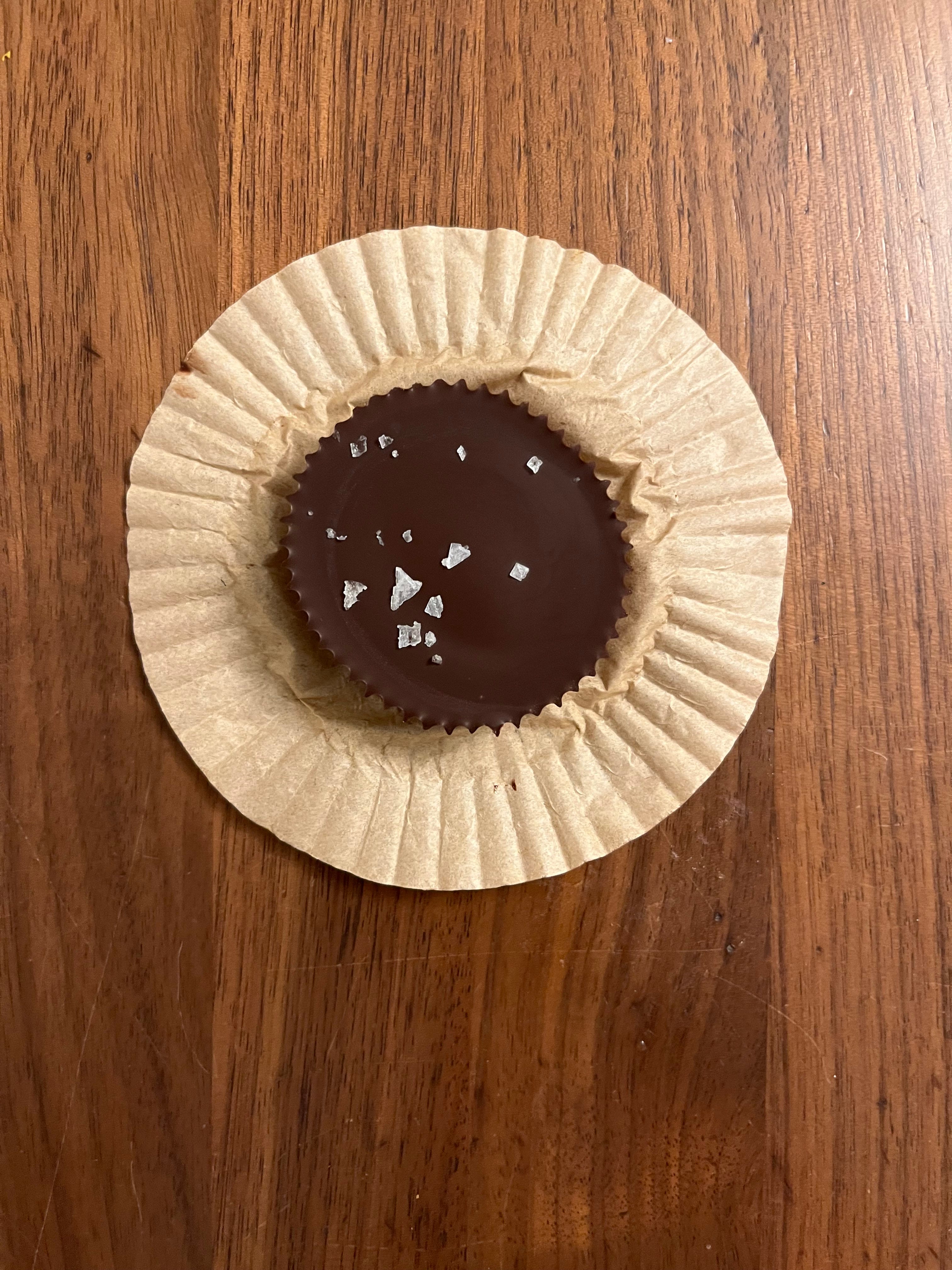
Almond Butter Chocolate Cups
Chocolate Chunk Miso Oat Cookies
Coconut Fried Green Bananas
Mood-Boosting Mocha Smoothie
* = family favorites
Three recipes I’m excited to make next…
One-Pan Miso Braised Cod and Leeks
Coconut Milk Cauliflower Rice
Golden Miso “Risotto”
If you have any additional questions about Good Food, Good Mood that I did not address, please let me know in the comments or email me at canthelpbutcook@substack.com. You can ask me anything!
See you in the kitchen!
Xo,
Rach
Does this cookbook have any good peanut free snacks I can send to a nut free school? We are in need of high protein nut free snack suggestions.